 By Akash Sharma
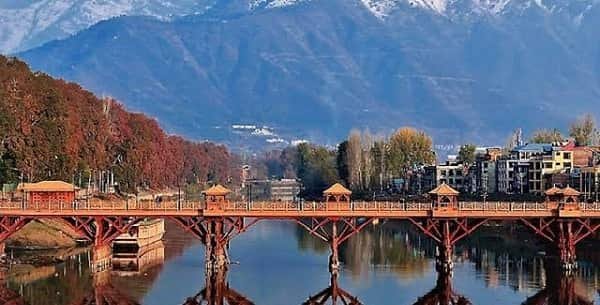
 Zero Bridge is one of the most famous heritage bridges in Srinagar, Jammu and Kashmir. Built across the Jhelum River, the bridge connects the Sonwar area with Rajbagh in the heart of Srinagar city. Known for its beautiful wooden architecture and historical importance, Zero Bridge is considered one of Kashmir’s most iconic pedestrian bridges today.
Originally constructed in the late 1950s during the rule of Bakshi Ghulam Mohammad, the bridge was once used for vehicular traffic. Over time, because of structural weakening, it was converted into a pedestrian-only heritage bridge. Today, Zero Bridge is popular among tourists, photographers, walkers, and locals enjoying the scenic Jhelum riverfront.
Quick Overview of Zero Bridge
| Feature | Details |
| Popular Name | Zero Bridge |
| Location | Srinagar, Jammu and Kashmir |
| State / UT | Jammu and Kashmir |
| River | Jhelum River |
| Bridge Type | Wooden arch pedestrian bridge |
| Built In | Late 1950s |
| Famous For | Heritage wooden architecture |
| Length | Around 160 meters |
| Nearby Areas | Rajbagh, Sonwar, Lal Chowk |
| Nearest Railway Station | Srinagar Railway Station |
| Nearest Airport | Srinagar International Airport |
| Main Purpose Today | Pedestrian walkway and tourism |
Location of Zero Bridge
Zero Bridge is located in central Srinagar across the Jhelum River. It connects:
- Sonwar area on the northern side
- Rajbagh area on the southern side
The bridge lies close to:
- Lal Chowk
- Residency Road
- MA Road
- Boulevard Road
- Dal Lake routes
Its central location makes it one of Srinagar’s most visited heritage landmarks.
Directions to Reach Zero Bridge
By Road
Travelers can reach Zero Bridge through:
- MA Road
- Rajbagh Road
- Boulevard Road
- Residency Road
Taxis, auto-rickshaws, buses, and private vehicles regularly operate nearby.
By Train
Srinagar Railway Station is the nearest major railway station connected through Kashmir railway routes.
By Air
Srinagar International Airport is located around 12–14 km from the bridge area.
History of Zero Bridge
Zero Bridge was constructed during the late 1950s under the leadership of Bakshi Ghulam Mohammad, who was then Prime Minister of Jammu and Kashmir. The bridge was built mainly to improve movement across the Jhelum River in Srinagar.
Initially, the bridge supported:
- Cars
- Small vehicles
- Pedestrians
However, by the late 1980s and early 1990s, the wooden structure weakened and authorities stopped vehicular movement for safety reasons.
In 2012, major restoration work began after parts of the bridge became unsafe. Restoration was carried out using traditional Kashmiri woodwork methods and materials like deodar and walnut wood. Concrete was intentionally avoided to preserve the original heritage appearance.
Today, Zero Bridge functions as a pedestrian heritage bridge and tourist attraction.
Why is it Called Zero Bridge?
There are multiple explanations behind the name “Zero Bridge.”
First Explanation
Traditionally, Amira Kadal was considered the “first bridge” of Srinagar across the Jhelum River. Since this bridge came before it, locals began calling it “Zero Bridge.”
Second Explanation
Another popular story says the bridge was constructed by a deaf contractor. In Kashmiri language, deaf is called “Zorr.” Over time, the word supposedly changed into “Zero.”
Structure and Design of Zero Bridge
Zero Bridge is famous for its traditional Kashmiri wooden design.
Important features include:
- Wooden arch structure
- Traditional deodar timber
- Walnut wood finishing
- Heritage-style architecture
- Pedestrian seating spaces
According to reports:
- Length is around 160 meters
- Width is approximately 9 meters
The bridge reflects traditional Kashmiri craftsmanship and old Srinagar river architecture.
Importance of Zero Bridge
Zero Bridge is important because it represents:
- Srinagar’s heritage
- Traditional wooden architecture
- Kashmir’s river culture
- Historic urban connectivity
The bridge also became part of Srinagar’s riverfront tourism and heritage conservation projects.
Jhelum River and Zero Bridge
Zero Bridge spans the historic Jhelum River, which flows through Srinagar city.
The Jhelum River has historically been:
- Srinagar’s transportation route
- Trade corridor
- Cultural center
- Lifeline of Kashmir Valley
Many of Srinagar’s famous bridges are built across the Jhelum.
Nearby Areas Around Zero Bridge
1. Rajbagh
Rajbagh is one of Srinagar’s important residential and commercial areas.
2. Sonwar
Sonwar is a well-known locality near Dal Lake and several government buildings.
3. Lal Chowk
Lal Chowk is Srinagar’s central commercial and political landmark.
4. Dal Lake
Dal Lake is located a short distance from the bridge and is one of Kashmir’s biggest tourist attractions.
Restoration and Preservation
Zero Bridge underwent major restoration after parts of the original structure became unsafe.
The restoration included:
- Rebuilding damaged sections
- Traditional wood replacement
- Riverfront beautification
- Heritage preservation work
- Pedestrian-friendly development
The bridge was restored without concrete to preserve its historic identity.
Tourism Importance of Zero Bridge
Today, Zero Bridge is one of Srinagar’s most popular tourist spots.
Visitors come for:
- Photography
- Evening walks
- River views
- Wooden architecture
- Cafe culture nearby
Recent reports describe Zero Bridge as a growing social and cafe hub along the Jhelum riverfront.
Scenic Beauty Around Zero Bridge
The bridge offers beautiful views of:
- Jhelum River
- Houseboats
- Kashmiri wooden architecture
- Chinar trees
- Sunset scenery
During evening hours, the bridge area becomes especially attractive because of lighting and riverside atmosphere.
Nearby Bridges Around Zero Bridge
1. Abdullah Bridge
A modern concrete bridge located nearby that now handles vehicular traffic.
2. Budshah Bridge
One of Srinagar’s major road bridges built in 1957.
3. Lal Mandi Footbridge
A modern pedestrian suspension bridge across the Jhelum.
Jhelum Riverfront Development
Zero Bridge became part of Srinagar’s Jhelum Riverfront Development Project.
Recent developments included:
- Walking pathways
- Beautification works
- Lighting systems
- Tourism-friendly infrastructure
In 2023, new riverfront connectivity from Zero Bridge to GPO areas was inaugurated.
Interesting Facts About Zero Bridge
- Zero Bridge was built in the late 1950s.
- It spans the Jhelum River in Srinagar.
- The bridge is made mainly of wood.
- Vehicles were banned after structural weakening in the late 1980s.
- Restoration work used traditional Kashmiri materials like deodar wood.
- The bridge is now a pedestrian-only heritage attraction.
- The bridge area is now popular for cafes and riverfront tourism.
Conclusion
Zero Bridge is one of Srinagar’s most iconic heritage landmarks built across the Jhelum River. Known for its wooden architecture, historical importance, and scenic surroundings, the bridge represents Kashmir’s rich cultural and engineering heritage.
From a busy vehicular crossing in the 1950s to a peaceful pedestrian heritage bridge today, Zero Bridge continues to remain one of the most beautiful and recognizable symbols of Srinagar city.
FAQs About Zero Bridge
Q: Where is Zero Bridge located?
A: Zero Bridge is located in Srinagar, Jammu and Kashmir, across the Jhelum River.
Q: Why is Zero Bridge famous?
A: It is famous for its wooden heritage architecture and scenic riverfront views.
Q: When was Zero Bridge built?
A: The bridge was constructed in the late 1950s.
Q: Which river flows below Zero Bridge?
A: The Jhelum River flows below the bridge.
Q: Why is it called Zero Bridge?
A: One explanation says it was built before Amira Kadal, the “first bridge,” while another story links the name to a deaf contractor called “Zorr.”
Q: Is Zero Bridge open for vehicles?
A: No, it is now a pedestrian-only bridge.
Q: Which areas does Zero Bridge connect?
A: The bridge connects Rajbagh and Sonwar areas of Srinagar.
Q: What materials were used during restoration?
A: Traditional materials like deodar and walnut wood were used.
Q: Which nearby bridge handles vehicle traffic now?
A: Abdullah Bridge handles most vehicular traffic nearby.
Q: Is Zero Bridge a tourist attraction?
A: Yes, it is one of Srinagar’s popular heritage tourism spots.
 Saurav Mehra