 By Akash Sharma
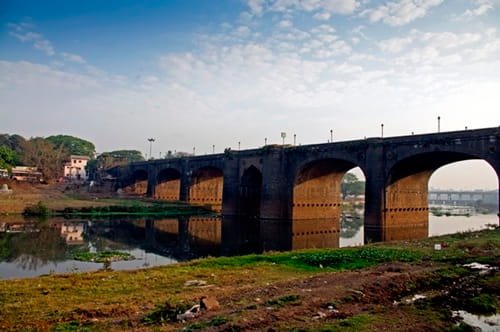
 Shivaji Bridge, officially known as Chhatrapati Shivaji Maharaj Bridge, is one of Pune’s oldest and most historically important bridges built across the Mutha River. Located in the heart of Pune city, the bridge connects Deccan Gymkhana and Shaniwar Wada areas with important central city routes. For decades, the bridge has remained a major transportation corridor as well as a historic landmark in Pune.
Locally, many Pune residents still call it “Nava Pul,” meaning “New Bridge,” even though the bridge itself is now more than 100 years old. The bridge is famous for its colonial-era history, heritage architecture, and strategic location in central Pune.
Quick Overview of Shivaji Bridge
| Feature | Details |
| Popular Name | Shivaji Bridge |
| Official Name | Chhatrapati Shivaji Maharaj Bridge |
| Old Name | Lloyd Bridge |
| Location | Pune, Maharashtra |
| State | Maharashtra |
| River | Mutha River |
| Built In | 1924 |
| Bridge Type | Historic road bridge |
| Famous For | Heritage and central Pune connectivity |
| Nearby Areas | Deccan, Shaniwar Wada, Sadashiv Peth |
| Nearest Railway Station | Pune Junction |
| Nearest Metro Station | PMC Metro Station |
| Nearest Airport | Pune International Airport |
Location of Shivaji Bridge
Shivaji Bridge is located in central Pune across the Mutha River. The bridge connects the historic parts of Pune city with Deccan Gymkhana and western Pune areas.
The bridge lies near important city landmarks including:
- Shaniwar Wada
- Deccan Gymkhana
- Saras Baug
- Sadashiv Peth
- Lakdi Pul areas
Its location makes it one of Pune’s most recognizable transport landmarks.
Directions to Reach Shivaji Bridge
Reaching Shivaji Bridge is easy because the area has excellent road, bus, railway, and metro connectivity.
By Road
Travelers can reach the bridge through:
- Jangli Maharaj Road
- Bajirao Road
- Tilak Road
- Karve Road
PMPML buses, taxis, auto-rickshaws, and private vehicles regularly operate near the bridge area.
By Metro
PMC Metro Station and Civil Court Metro Station are among the nearest metro access points connected through Pune Metro routes.
By Train
Pune Junction Railway Station is the nearest major railway station connected through city roads.
By Air
Pune International Airport is the nearest airport accessible through central Pune routes.
History of Shivaji Bridge
Shivaji Bridge was originally constructed during British rule and completed in 1924. The bridge was first named “Lloyd Bridge” after Sir George Lloyd, the Governor of Bombay Presidency during that period.
The bridge was built by Raobahadur Ganpatrao Mahadeo Kenjale as part of Pune’s town planning and infrastructure development projects.
After India’s independence, the bridge was renamed Chhatrapati Shivaji Maharaj Bridge in honor of the great Maratha ruler Chhatrapati Shivaji Maharaj. However, the local nickname “Nava Pul” remained popular among Pune residents.
In 2024, the bridge completed 100 years since its construction and was celebrated as one of Pune’s major heritage structures.
Structure and Design of Shivaji Bridge
Shivaji Bridge was built as a major river-crossing roadway over the Mutha River.
Important features include:
- Historic masonry construction
- Multi-span roadway design
- Colonial-era engineering style
- Central Pune river crossing
- Heritage bridge structure
The bridge represented modern urban infrastructure for Pune during the early 20th century.
Importance of Shivaji Bridge
Shivaji Bridge played a major role in Pune’s urban development.
The bridge helped connect:
- Deccan Gymkhana
- Shaniwar Wada
- Sadashiv Peth
- Central Pune
- Western Pune suburbs
It significantly improved transportation and reduced travel difficulties across the Mutha River during the city’s expansion period.
Even today, the bridge remains an important traffic corridor in Pune.
Nearby Areas Around Shivaji Bridge
Deccan Gymkhana
Deccan Gymkhana is one of Pune’s major educational and commercial areas known for colleges, restaurants, and shopping zones.
Shaniwar Wada
Shaniwar Wada is Pune’s famous Maratha-era fort and historical landmark.
Sadashiv Peth
Sadashiv Peth is one of Pune’s oldest traditional residential neighborhoods.
Saras Baug
Saras Baug is one of Pune’s most popular parks and temple complexes.
Lakdi Pul Area
Lakdi Pul is another important river crossing and traffic junction located near Shivaji Bridge.
Traffic Situation at Shivaji Bridge
Shivaji Bridge experiences heavy daily traffic because it connects major city routes in central Pune.
Traffic usually increases during:
- Morning office hours
- Evening rush hours
- Festival seasons
- Weekend city movement
The bridge handles cars, buses, two-wheelers, and pedestrian movement throughout the day.
Heritage Importance of Shivaji Bridge
Shivaji Bridge is considered one of Pune’s heritage infrastructure landmarks because of:
- Its 100-year-old history
- Colonial-era engineering
- Role in Pune’s urban development
- Historical connection with British-era town planning
The bridge represents the transition of Pune from a historic Maratha city into a modern urban center during the early 20th century.
Scenic Beauty Around Shivaji Bridge
The bridge area offers views of:
- Mutha River
- Pune riverfront
- Old city architecture
- Evening city lights
During monsoon season, the Mutha River scenery around the bridge becomes especially attractive.
Nearby Attractions Around Shivaji Bridge
Shaniwar Wada
One of Maharashtra’s most famous historical forts located near the bridge.
Saras Baug
A famous garden and Ganpati temple attraction.
Dagdusheth Halwai Ganpati Temple
One of Pune’s most visited temples.
Deccan Gymkhana Market
A major shopping and food destination in Pune.
Interesting Facts About Shivaji Bridge
- The bridge was originally called Lloyd Bridge.
- It was completed in 1924 during British rule.
- Pune residents still popularly call it “Nava Pul.”
- The bridge crosses the Mutha River in central Pune.
- The bridge completed 100 years in 2024.
Conclusion
Shivaji Bridge is one of Pune’s most important historical bridges connecting central city regions across the Mutha River. Built during British rule and later renamed after Chhatrapati Shivaji Maharaj, the bridge remains both a transportation corridor and a symbol of Pune’s urban heritage.
Its century-old history, strategic location, and cultural significance continue to make Shivaji Bridge one of Pune’s most recognized landmarks.
FAQs About Shivaji Bridge
Q1. Where is Shivaji Bridge located?
Shivaji Bridge is located across the Mutha River in central Pune, Maharashtra.
Q2. What is the official name of Shivaji Bridge?
The official name is Chhatrapati Shivaji Maharaj Bridge.
Q3. What was the old name of Shivaji Bridge?
The bridge was originally called Lloyd Bridge during British rule.
Q4. When was Shivaji Bridge built?
The bridge was completed in 1924.
Q5. Why is Shivaji Bridge famous?
The bridge is famous for its heritage history and central Pune connectivity.
Q6. Which river flows below Shivaji Bridge?
The Mutha River flows below the bridge.
Q7. Why do people call Shivaji Bridge “Nava Pul”?
People still call it “Nava Pul” because it was once considered Pune’s new bridge during the early 20th century.
Q8. Which areas are connected by Shivaji Bridge?
The bridge connects Deccan Gymkhana, Shaniwar Wada, Sadashiv Peth, and central Pune regions.
Q9. Which metro station is nearest to Shivaji Bridge?
PMC Metro Station is one of the nearest metro stations.
Q10. Why is Shivaji Bridge historically important?
The bridge represents Pune’s early modern infrastructure development during British rule and later became a heritage landmark.
 Saurav Mehra