 By Akash Sharma
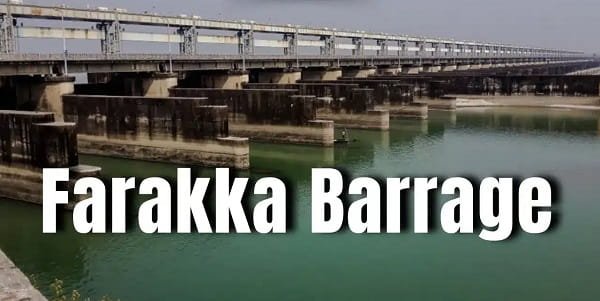
 Farakka Bridge, commonly associated with the Farakka Barrage, is one of the most important transport and river-crossing structures in eastern India. Located across the Ganga River in West Bengal, the bridge connects North Bengal with South Bengal and also serves as a major gateway toward Northeast India. The structure carries both road and railway connectivity and plays a key role in transportation, trade, and water management.
The Farakka Barrage and bridge system became operational in 1975 and remains one of India’s most significant river engineering projects. It was mainly developed to improve the navigability of the Hooghly River and protect Kolkata Port from excessive silting.
Quick Overview of Farakka Bridge
| Feature | Details |
| Popular Name | Farakka Bridge / Farakka Barrage Bridge |
| Location | Farakka, Murshidabad district |
| State | West Bengal |
| River | Ganga River |
| Opened | 1975 |
| Bridge Type | Rail-cum-road bridge |
| Famous For | Connectivity and Farakka Barrage Project |
| Nearby Areas | Malda, Murshidabad, Sahibganj |
| Nearest Railway Station | New Farakka Junction |
| Nearest Airport | Bagdogra Airport |
| Main Highway | National Highway 12 |
| Main Purpose | Water diversion and transport connectivity |
Location of Farakka Bridge
Farakka Bridge is located in the Murshidabad district of West Bengal near the Bangladesh border. The bridge lies across the Ganga River at Farakka town and forms part of the Farakka Barrage Project.
The bridge is strategically important because it connects southern and northern parts of West Bengal and supports movement toward Assam, Bihar, and Northeast India.
Directions to Reach Farakka Bridge
Reaching Farakka Bridge is easy because the area is connected through highways and railway routes.
By Road
National Highway 12 passes through Farakka and connects the bridge with Kolkata, Malda, Siliguri, and nearby states. Buses, taxis, and private vehicles frequently use this route.
By Train
New Farakka Junction Railway Station is the nearest major railway station. Several trains connecting Kolkata and North Bengal stop there.
By Air
Bagdogra Airport is the nearest major airport for long-distance travelers, while smaller regional airport connectivity is available from nearby cities.
History of Farakka Bridge and Barrage
The Farakka Barrage Project was planned after India’s independence to improve the condition of Kolkata Port by diverting water into the Hooghly River system. Construction began in the early 1960s and the project became operational on 21 April 1975.
The barrage is over 2.2 kilometers long and contains more than 100 gates to regulate water flow.
The rail-cum-road bridge built along the barrage became an important transport link connecting different regions of eastern India.
Importance of Farakka Bridge
Farakka Bridge plays a major role in transportation and water management.
The structure helps:
- Connect North and South Bengal
- Support railway movement
- Improve road transport
- Maintain Kolkata Port navigability
- Divert Ganga water into the Hooghly River
The bridge also supports economic activities and trade routes in eastern India.
Nearby Areas Around Farakka Bridge
Malda
Malda is a major city near Farakka known for mango production and historical sites.
Murshidabad
Murshidabad is famous for its Nawabi history, palaces, and cultural heritage.
Sahibganj
Sahibganj in Jharkhand lies close to the Farakka region and connects through railway and highway routes.
Farakka Township
Farakka Township developed around the barrage project and contains residential colonies, schools, and project offices.
Traffic and Connectivity
Farakka Bridge handles large numbers of vehicles and trains daily. It is considered one of the most important river crossings in eastern India.
Heavy traffic usually includes:
- Passenger buses
- Trucks and goods carriers
- Railway freight movement
- Interstate transport vehicles
A new Farakka Setu project has also been planned to reduce congestion and improve traffic flow.
Environmental and Water Sharing Importance
The Farakka Barrage has remained an important topic in India–Bangladesh water-sharing discussions for decades. The project affects river flow, sediment movement, and regional ecology.
Environmental experts have also discussed issues related to:
- Riverbank erosion
- Fish migration
- Sedimentation
- Water distribution
The Farakka water-sharing treaty between India and Bangladesh was signed in 1996.
Future Development Projects
The New Farakka Setu project is being developed downstream of the existing barrage to improve highway connectivity and reduce traffic pressure on the older structure.
Once completed, it is expected to become one of the longest bridges in West Bengal.
Conclusion
Farakka Bridge is one of the most important engineering and transport structures in eastern India. Built across the Ganga River in West Bengal, it supports road, railway, and water management systems across the region.
Its strategic importance, historical role, and massive connectivity network continue to make Farakka Bridge a vital part of India’s infrastructure.
FAQs About Farakka Bridge
Q: Where is Farakka Bridge located?
A: Farakka Bridge is located in the Murshidabad district of West Bengal across the Ganga River.
Q: Why is Farakka Bridge famous?
A: The bridge is famous for its connection with the Farakka Barrage Project and its importance in eastern India’s transport network.
Q: Which river flows below Farakka Bridge?
A: The Ganga River flows below Farakka Bridge.
Q: When was Farakka Bridge opened?
A: The Farakka Barrage and bridge system became operational in 1975.
Q: What is the purpose of Farakka Barrage?
A: The barrage was mainly built to divert water into the Hooghly River and improve Kolkata Port navigation.
Q: Which is the nearest railway station to Farakka Bridge?
A: New Farakka Junction is the nearest major railway station.
Q: Is Farakka Bridge important for road transport?
A: Yes, it is one of the most important road links connecting North Bengal and South Bengal.
Q: What is the New Farakka Setu project?
A: It is a new bridge project planned to reduce congestion and improve connectivity near Farakka.
Q: Does Farakka Barrage affect Bangladesh?
A: Yes, the barrage has been part of India–Bangladesh water-sharing discussions for many years.
Q: Which nearby areas are connected through Farakka Bridge?
A: Nearby areas include Malda, Murshidabad, Sahibganj, and Farakka township.
 Saurav Mehra